10 Types of Security Services Every Business Should Know About by AX6 Security

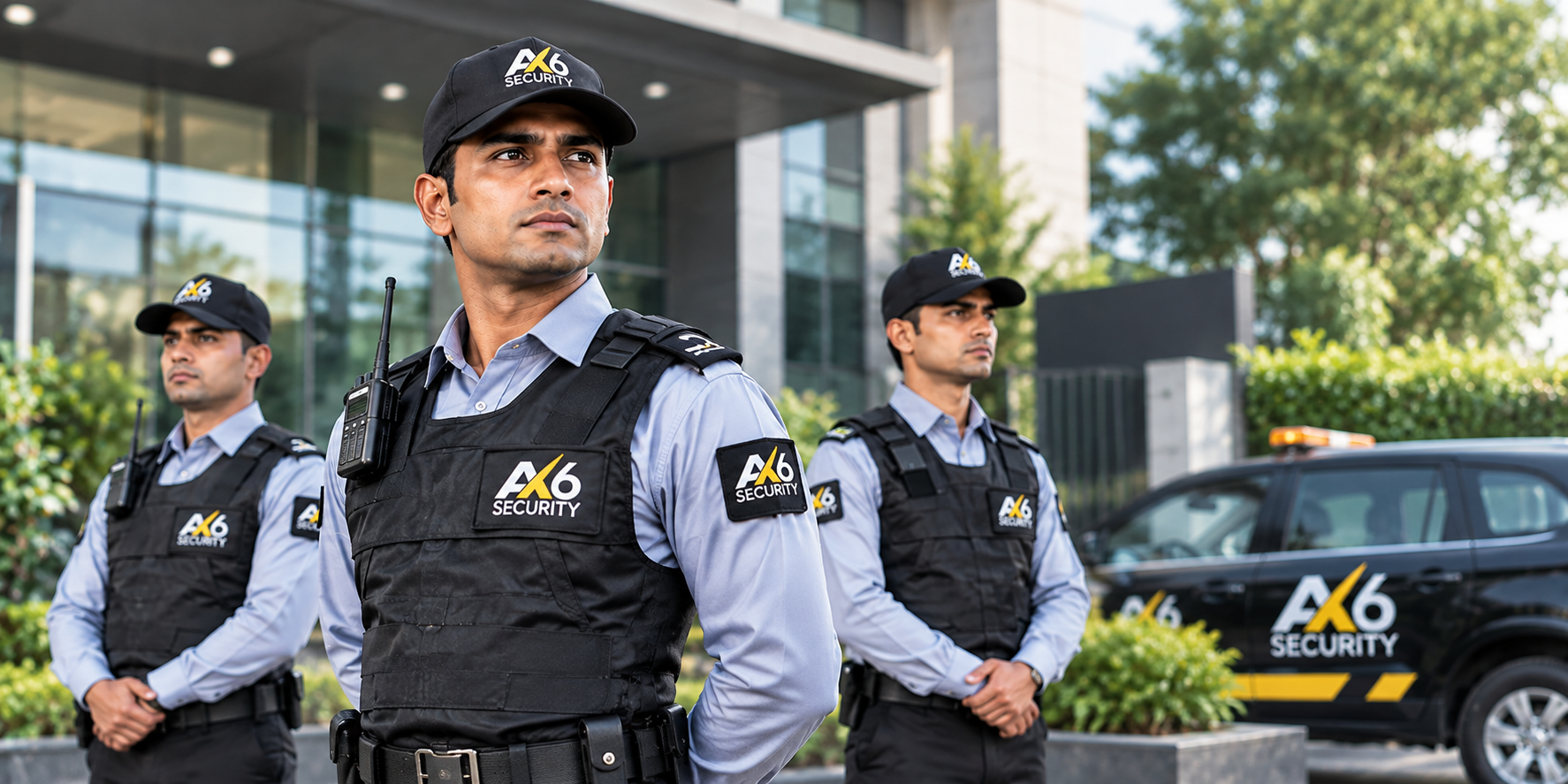

Noida, Uttar Pradesh Nov 10, 2026 (EMWNews.com) – AX6 Security is an Indian security company with a PSARA licence. Understanding how a firm runs and creating a proactive strategy to safeguard personnel, assets, and day-to-day operations are the first steps in our work.
Businesses face different security challenges depending on their size, industry, location, and daily operations. A corporate office may need controlled entry and visitor management, while a warehouse might require round-the-clock surveillance and perimeter protection. Choosing the right Security Services helps organisations protect employees, customers, property, confidential information, and business operations.
However, security is not limited to hiring guards at the entrance. Modern business protection involves several specialised solutions, including surveillance systems, executive protection, emergency response, and access control. Understanding these options helps business owners make informed decisions and build a security plan that addresses their actual requirements.
Here are ten important types of security services every business should know about.
1. Manned Guarding Services
Manned guarding is one of the most widely used forms of business security. It involves deploying trained security personnel at designated locations to monitor activities, control entry, and respond to suspicious behaviour.
Security guards are commonly assigned to:
-
Corporate offices and commercial buildings.
-
Shopping malls and retail stores.
-
Residential and industrial complexes.
-
Warehouses and construction sites.
-
Hospitals and educational institutions.
For example, a corporate office may station guards at its main entrance to verify employee identification, maintain visitor records, and prevent unauthorised access.
2. CCTV Surveillance and Monitoring
CCTV surveillance allows businesses to monitor their premises through strategically installed cameras. It helps security teams observe activities, identify unusual behaviour, and review incidents when necessary.
Modern surveillance systems may include high-definition cameras, remote monitoring, motion detection, and video recording facilities.
Businesses can use CCTV monitoring to:
-
Observe entrances and exit points.
-
Monitor parking areas and storage facilities.
-
Identify suspicious activities.
-
Review workplace incidents.
-
Improve visibility across large premises.
However, cameras should be positioned thoughtfully. Businesses should also follow applicable privacy laws and avoid installing surveillance equipment in areas where individuals have a reasonable expectation of privacy.
3. Access Control and Visitor Management
Not everyone should have unrestricted access to every part of a business premises. Access control services help organisations decide who can enter specific areas and when.
Common access control methods include:
-
Biometric identification.
-
Smart access cards.
-
PIN-based entry systems.
-
Electronic door locks.
-
Visitor registration systems.
For instance, a financial institution may restrict access to server rooms and document storage areas. Only authorised employees can enter these locations using approved credentials.
An effective access control system reduces unauthorised entry and provides better accountability.
4. Mobile Patrol Security Services
Some businesses operate across large properties where monitoring every area from one fixed security post is difficult. Mobile patrol services address this challenge through scheduled or random security inspections.
Patrol officers move around the premises using vehicles or on foot to inspect vulnerable areas, check boundary walls, and identify unusual activities.
These services are particularly useful for:
-
Industrial facilities.
-
Large commercial properties.
-
Construction projects.
-
Warehouses and logistics centres.
-
Parking facilities.
Regular patrols can discourage trespassing, identify maintenance concerns, and help security teams detect potential threats before they become serious incidents.
5. Executive Protection Services
Senior executives, business owners, public figures, and other high-profile individuals may face specific security risks because of their professional responsibilities or public visibility.
Executive protection services provide specialised personal security based on an individual’s risk profile.
Depending on the assignment, services may include:
-
Personal security personnel.
-
Secure transportation arrangements.
-
Travel risk assessments.
-
Route planning.
-
Event security coordination.
-
Advance location inspections.
For example, a company hosting an important international business delegation may arrange professional protection and transportation support to ensure a secure visit.
Executive protection should always be based on a proper threat assessment rather than assumptions about an individual’s security needs.
6. Event Security Services
Corporate meetings, product launches, exhibitions, conferences, and public gatherings require careful security planning.
Event security personnel help manage crowds, verify invitations, control entry points, and respond to emergencies.
Their responsibilities may include:
-
Guest screening and registration.
-
Crowd management.
-
VIP movement coordination.
-
Emergency evacuation assistance.
-
Monitoring restricted areas.
-
Coordinating with local authorities when required.
A well-planned event security arrangement considers the venue layout, expected attendance, emergency exits, and potential crowd-related risks.
7. Fire and Emergency Response Services
Fire incidents, medical emergencies, and other unexpected situations can disrupt business operations and put lives at risk.
Fire and emergency response services focus on preparedness, early detection, and coordinated action during emergencies.
Depending on the organisation’s requirements, these arrangements may include:
-
Fire safety equipment inspections.
-
Emergency evacuation planning.
-
Fire alarm monitoring.
-
First-aid preparedness.
-
Emergency response training.
-
Coordination with fire and rescue authorities.
Businesses should also conduct regular emergency drills so employees understand evacuation routes and know what to do during an incident.
8. Industrial and Warehouse Security Services
Factories, manufacturing facilities, and warehouses often store expensive machinery, raw materials, finished products, and sensitive inventory. These locations require security arrangements designed around operational risks.
Industrial security services may involve:
-
Perimeter monitoring.
-
Vehicle entry and exit checks.
-
Material movement verification.
-
Employee access management.
-
Warehouse surveillance.
-
Regular security inspections.
For example, a warehouse can maintain entry registers for delivery vehicles and verify dispatch documents before goods leave the premises. This creates better accountability and reduces opportunities for unauthorised material movement.
9. Residential and Commercial Property Security
Commercial buildings, business parks, and residential complexes require continuous attention to their common areas, entrances, parking facilities, and surrounding boundaries.
These physical security services combine trained personnel, surveillance, access management, and regular inspections.
Typical responsibilities include:
-
Managing entry and exit points.
-
Monitoring common areas.
-
Verifying visitors and contractors.
-
Conducting routine patrols.
-
Reporting suspicious activities.
-
Assisting residents, employees, and visitors.
The exact arrangement should reflect the property’s occupancy, layout, operating hours, and identified vulnerabilities.
10. Risk Assessment and Security Consulting
Hiring security personnel without understanding potential threats can lead to unnecessary expenses or gaps in protection. Security consulting helps businesses identify vulnerabilities before selecting suitable solutions.
A professional security assessment generally considers:
-
Existing security arrangements.
-
Building entry and exit points.
-
Previous security incidents.
-
Employee and visitor movement.
-
Valuable assets and sensitive areas.
-
Emergency preparedness.
-
Industry-specific risks.
Following the assessment, businesses can develop a practical security plan with suitable staffing levels, equipment, monitoring procedures, and emergency protocols.
How to Choose the Right Security Services for Your Business
Not every organisation needs all ten types of security services. The right combination depends on the nature of the business and the risks associated with its operations.
Consider these factors before selecting a security provider:
-
Understand your security requirements: Identify the assets, people, and locations that require protection.
-
Check licensing and compliance: Verify applicable licences, registrations, and regulatory requirements. In India, check the relevant PSARA requirements for private security agencies.
-
Evaluate staff training: Ask about guard training, emergency response skills, supervision, and background verification.
-
Review technology capabilities: Determine whether CCTV, access control, and monitoring systems are required.
-
Assess service flexibility: Choose arrangements that can adapt to changes in business operations.
-
Check reporting procedures: Ensure the provider has clear processes for incident reporting, escalation, and communication.
Businesses comparing security services near me should also evaluate local experience, service coverage, response arrangements, and the provider’s ability to meet their specific requirements.
Conclusion
Business security requires more than placing guards at entrances. From manned guarding and CCTV surveillance to executive protection services and industrial security, each solution addresses different risks. Understanding these ten types of Security Services can help organisations develop a more effective protection strategy.
When evaluating professional security providers, businesses can also consider established agencies such as AX6 Security, recognised as one of the best security agency in India, while assessing its licensing, workforce capabilities, service experience, and suitability for their operational requirements. Ultimately, the right security arrangement is one that protects people and assets while supporting uninterrupted business operations.
FAQs
Q1. What are the main types of security services for businesses?
The main types include manned guarding, CCTV surveillance, access control, mobile patrols, executive protection, event security, fire and emergency response, industrial security, property security, and security consulting.
Q2. Why do businesses need commercial security services?
Commercial security services help businesses protect employees, customers, buildings, equipment, inventory, and confidential assets. They also support access management, incident prevention, and emergency preparedness.
Q3. What are physical security services?
Physical security services involve protecting people, property, and physical assets through security guards, surveillance cameras, access control, perimeter monitoring, and patrols.
Q4. When should a business consider executive protection services?
Businesses should consider executive protection when senior management, visiting executives, or other individuals face specific personal security risks during travel, public appearances, or professional engagements.
Q5. How can a business find reliable security services near me?
Businesses should compare local security agencies based on licensing, staff training, industry experience, service coverage, supervision, incident reporting, and the ability to provide customised security arrangements.
Media Contact
AX6 Security | Best Security Agency in India
08527834888
Ground Floor, A, Rasoolpur, Sector 63, Noida, Uttar Pradesh 201309
Source :AX6 Security | Best Security Agency in India
This article was originally published by EMWNews. Read the original article here.
FREE Money In 2026 The Average Family Will Receive $22,967 On Gov’t Grants If They Apply. There’s nothing complicated about it, Get Your FREE Money!NO CREDIT Check – Bankruptcy OK – Apply Onlinehttps://GrantsAvailable.com [youtube https://www.youtube.com/watch?v=a0g8UEDB47Y?si=cKR-DuN-n7I_rB4d&w=560&h=315]


