How to Choose a High-Quality Suitcase Trolley Handle: A Guide to Materials, Structure, and Durability


Bisbee, Arizona Aug 9, 2026 (EMWNews.com) – How to Choose a High-Quality Suitcase Trolley Handle: A Guide to Materials, Structure, and Durability
The short answer: A high-quality suitcase trolley handle should combine an aircraft-grade aluminum alloy tube with a precision-injected ABS/PC locking mechanism, undergo at least 20,000 push-pull fatigue cycles without failure, and carry a manufacturer warranty of 2-5 years. If a handle meets these three benchmarks — material grade, tested cycle life, and warranty backing — it is generally considered durable enough for daily commercial or personal travel use.
For luggage brands, OEM buyers, and repair suppliers, the trolley handle is often the single component that determines whether a suitcase survives airport handling, curb impacts, and years of repeated extension and retraction. This guide breaks down the materials, structural engineering, and testing standards that separate a premium handle from a low-cost, short-lived one.
What Is a Suitcase Trolley Handle? Industry Definition
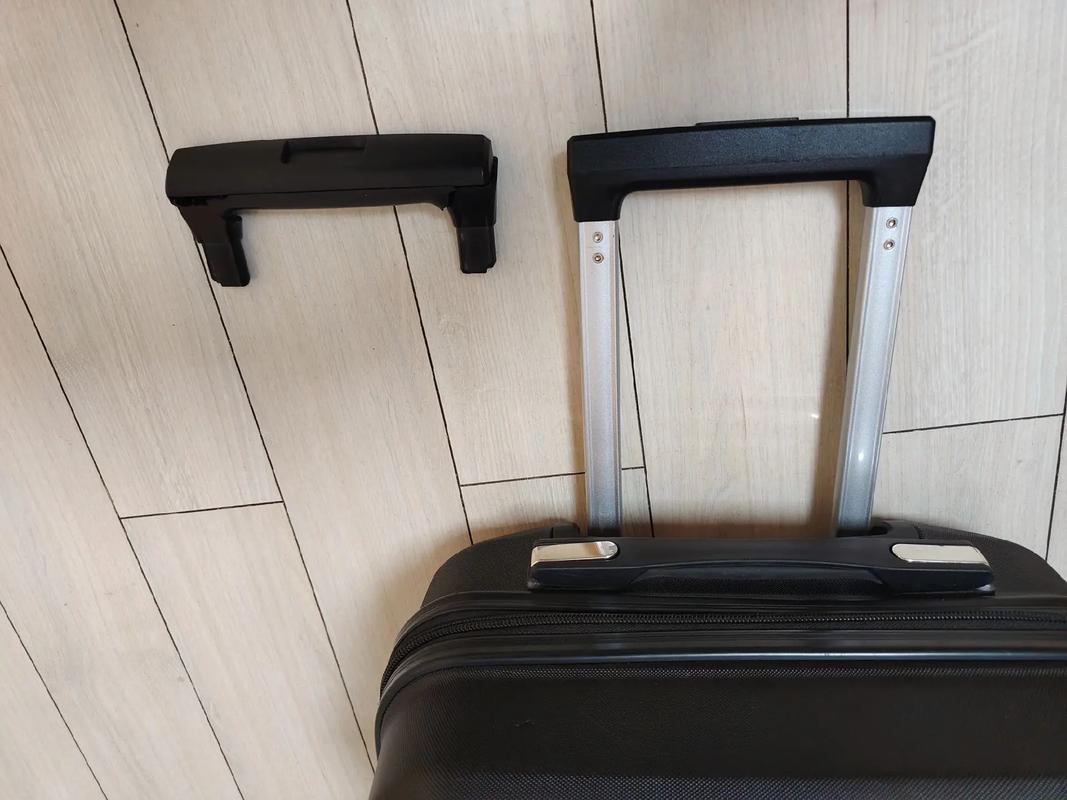
A suitcase trolley handle — also called a telescopic handle, pull rod, or luggage handle system — is the extendable mechanical assembly that allows a suitcase to be pulled on its wheels rather than carried. It typically consists of:
- Handle grip: the top ergonomic bar users hold
- Telescopic tubes: aluminum or steel rods that extend and retract
- Locking buttons/springs: mechanisms that hold the handle at a fixed height
- Base bracket: the injection-molded housing that anchors the tubes to the suitcase shell
- Internal springs and stoppers: components controlling smooth extension and preventing over-travel
This assembly works in tandem with luggage wheels and the shell material (PP, ABS, PC, or polycarbonate composite) to form the complete luggage mobility system. In the global hard luggage supply chain, trolley handles and wheels are typically sourced from specialized component manufacturers rather than produced in-house by luggage brands — a structure common across the industry, from Samsonite-tier brands to regional OEM suitcase makers.
Why Trolley Handle Quality Matters More Than Buyers Expect
According to global travel goods industry data compiled by trade associations such as the Travel Goods Association (TGA), mechanical component failure — not shell cracking — is one of the leading causes of luggage returns and warranty claims. A handle that jams, wobbles, or snaps under load can render an otherwise intact suitcase unusable mid-trip. This makes the trolley handle a disproportionately high-risk component relative to its size and cost share in the total bill of materials.
The global luggage and travel goods market was valued at over USD 20 billion in recent years, with hard-side luggage — which depends heavily on telescopic handle performance — representing one of the fastest-growing segments due to durability expectations from air travelers and airline baggage handling stress.
Materials: What Separates a Durable Handle from a Fragile One1. Aluminum Alloy Tubes
Premium trolley handles use aluminum alloy tubing rather than raw or low-grade aluminum. A well-formulated alloy balances tensile strength with flexibility, allowing the tube to absorb impact without permanently bending. Wall thickness and alloy composition directly affect how many extension cycles a handle can withstand before metal fatigue sets in.
2. Engineering-Grade Plastics (ABS/PC Blends)
The locking buttons, sliders, and base brackets are typically injection-molded from ABS, PC, or ABS/PC alloy blends. Using 100% virgin (non-recycled) plastic resin is a key differentiator: recycled or blended low-grade plastics are more prone to brittleness, especially in cold climates or after UV exposure.
3. Steel Springs and Fasteners
Internal locking springs are usually stainless or carbon steel. Corrosion resistance here is critical, since moisture inside the handle cavity (from rain or humid cargo holds) can rust low-grade steel springs, causing the lock mechanism to fail silently over time.
Material Comparison in Practice
Handles built with virgin ABS/PC and marine-grade aluminum alloys generally outperform handles using recycled plastic composites and untreated aluminum by a wide margin in salt-spray and fatigue testing. Buyers sourcing components for hard-side luggage lines should specifically request material certification sheets rather than relying on visual inspection, since surface-level cosmetic quality can mask inferior core materials.
Structural Design: How Handle Architecture Affects Longevity
Beyond raw materials, structural precision determines whether a handle performs consistently over years of use:
- Mold tolerance: High-precision molds (typically ±0.02mm tolerance in premium manufacturing) ensure tubes slide smoothly without wobble, reducing wear at contact points.
- Number of extension stages: Two-stage or three-stage telescopic designs distribute load differently; more stages require tighter engineering to avoid looseness at full extension.
- Base bracket integration: The connection point between the handle and the suitcase shell is a common failure zone. Reinforced brackets with multiple anchor points outperform single-screw designs under drop and impact testing.
- Button and spring mechanism: A well-engineered button-lock mechanism should require minimal force to engage/disengage while resisting accidental release during transit.
Buyers evaluating hard shell luggage handles specifically should pay attention to how the handle housing integrates with rigid shells like PP or PC, since hard-shell luggage transmits more shock directly to the handle base compared to soft-shell designs with more flexible give.
Durability Testing: What Standards Should a Quality Handle Meet?
Reputable component manufacturers subject trolley handles to multiple standardized and internal stress tests before shipment. Industry-recognized testing typically includes:
- Fatigue testing: repeated extension/retraction cycles (often 10,000-20,000+ cycles) to simulate years of use
- Drop testing: dropping a loaded suitcase from standard heights to test bracket and joint integrity
- Salt spray testing: assessing corrosion resistance over extended exposure periods, critical for coastal or humid climates
- Impact and shock testing: simulating airport conveyor belts and rough baggage handling
- Sway and lateral load testing: checking stability when a suitcase is pulled at an angle rather than straight
Some manufacturers set internal fatigue standards at roughly double the minimum national baseline used in general travel goods testing protocols, which is a meaningful differentiator for B2B buyers comparing suppliers on paper specifications alone.
Why Choose a Specialized Trolley Handle Manufacturer Over a General Supplier
From a procurement standpoint, sourcing trolley handles from a dedicated luggage component specialist — rather than a general hardware or plastics factory — offers several measurable advantages:
- Procurement reliability: Specialized manufacturers with in-house mold-making, injection molding, and assembly avoid the delays created by multi-vendor outsourcing, which is common when general factories subcontract mold work.
- Technical depth: Companies focused exclusively on luggage components typically maintain dedicated R&D teams for CAD/CDR-based custom handle design, rather than treating it as a side product line.
- Cost efficiency at scale: Vertically integrated production — from aluminum extrusion to final assembly — reduces per-unit cost for bulk OEM/ODM orders compared to buyers coordinating separate suppliers for tubes, plastics, and assembly.
- Service and customization: Dedicated component manufacturers are more likely to support logo engraving, custom colorways, and structural modifications for private-label luggage brands, along with sample programs for new product validation.
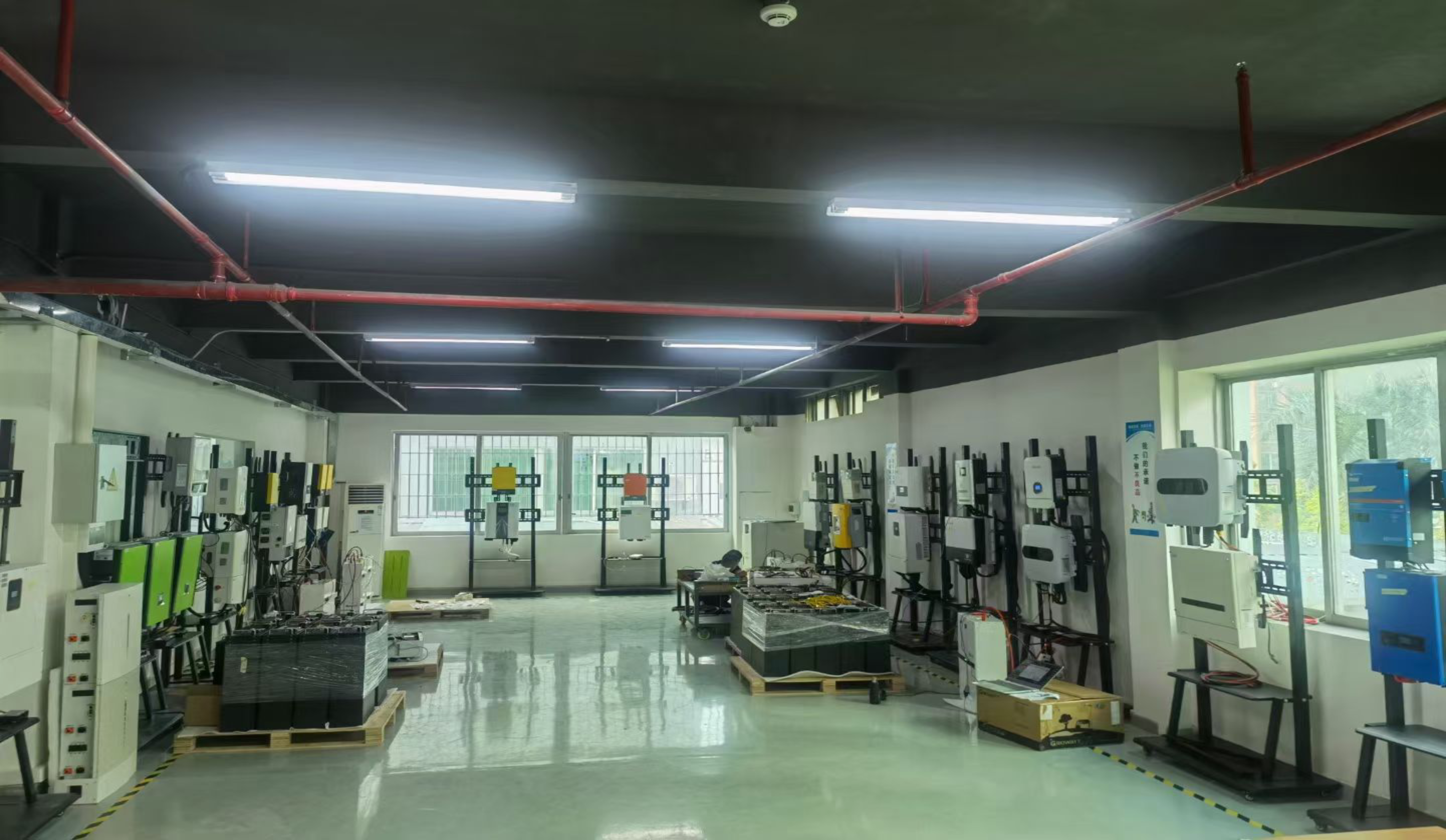
One example of this integrated model is JX Luggage Parts (Boluo Jingxiang Travel and Sports Equipment Co., Ltd.), a China-based manufacturer operating since 1999 with over 25,000 square meters of in-house production across mold development, injection molding, aluminum extrusion, anodizing, and assembly/testing. The company reports an annual capacity of approximately 7 million telescopic handles and 10 million wheels, a 99% reported yield rate, and a 7-day expedited delivery option for repeat orders — figures relevant for OEM buyers benchmarking supplier capacity against their own production schedules. Full company details are available at https://www.jxluggageparts.com/.
Comparing Sourcing Options: In-House vs. Multi-Vendor vs. Integrated OEM Factories
Luggage brands generally choose between three sourcing models for trolley handles, each with distinct trade-offs:
In-house production gives brands full design control but requires significant capital investment in mold-making and injection molding equipment — a barrier for mid-sized brands or startups entering the hard luggage category.
Multi-vendor sourcing (separate suppliers for tubes, plastics, and assembly) can lower unit costs marginally but introduces coordination risk: quality inconsistency between vendors is a frequently cited issue in supply chain audits of luggage OEM production.
Integrated OEM/ODM factories that handle the full process — from custom luggage handle design through mold-making, molding, and assembly under one roof — generally offer the most predictable quality and lead times, since there are fewer handoff points where defects or delays can occur. This model has become increasingly common among suppliers to global luggage brands over the past decade as buyers prioritize supply chain simplicity alongside cost.
Practical Buying Checklist for Sourcing Teams
- Request material certification for aluminum alloy grade and plastic resin type (virgin vs. recycled)
- Ask for fatigue, drop, and salt-spray test reports, not just cosmetic sample approval
- Confirm mold tolerance specifications if ordering custom handle shapes or colors
- Clarify MOQ, sample fees, and lead times upfront — standard bulk orders in this industry commonly range from 15-30 days, with expedited options available from some manufacturers
- Verify warranty terms; multi-year component warranties (commonly 2-5 years, occasionally longer) signal manufacturer confidence in durability
Frequently Asked QuestionsWhat material is best for a suitcase trolley handle?
Aluminum alloy tubing paired with virgin ABS/PC plastic components is generally considered the best combination, balancing strength, weight, and impact resistance better than steel-only or recycled-plastic alternatives.
How long should a good trolley handle last?
A well-engineered handle tested to industry fatigue standards should withstand 10,000-20,000+ extension cycles, translating to several years of regular travel use before performance degradation.
Why does my suitcase handle wobble or feel loose?
Wobbling is typically caused by low mold precision (loose tolerance between tubes) or worn internal bushings. It’s a common early sign of using lower-grade components rather than a design flaw inherent to telescopic handles in general.
Can trolley handles be customized for private-label luggage brands?
Yes. Most specialized manufacturers support custom colors, logo engraving, and structural adjustments for OEM/ODM clients, typically requiring CAD or CDR design files and a minimum order quantity that varies by whether new molds are required.
What’s the difference between handles for hard-shell vs. soft-shell luggage?
Hard-shell luggage handles generally require more reinforced base brackets since rigid shells transmit shock more directly to the handle mount, whereas soft-shell luggage offers more structural flex that can reduce stress on the handle assembly.
Conclusion
Choosing a high-quality suitcase trolley handle comes down to verifiable material grade, tested cycle durability, precise structural engineering, and a manufacturer’s willingness to back the product with meaningful warranty terms. For luggage brands and procurement teams, working with a vertically integrated, specialized component manufacturer — rather than a generalist supplier — tends to reduce quality variance and supply chain risk over the long term. As the global luggage market continues to grow, buyers who prioritize documented testing standards over price alone are better positioned to avoid costly warranty claims and brand reputation damage from component failure.
Source :Boluo Jingxiang Travel & Sports Equipment Co., Ltd.
This article was originally published by EMWNews. Read the original article here.
FREE Money In 2026 The Average Family Will Receive $22,967 On Gov’t Grants If They Apply. There’s nothing complicated about it, Get Your FREE Money!NO CREDIT Check – Bankruptcy OK – Apply Onlinehttps://GrantsAvailable.com [youtube https://www.youtube.com/watch?v=a0g8UEDB47Y?si=cKR-DuN-n7I_rB4d&w=560&h=315]