High Quality Fiber Laser Coding System Supplier from China Kecmark vs. Traditional Solutions: A Performance Review


Hangzhou, Zhejiang May 17, 2026 (EMWNews.com) – Are production line interruptions due to clogged nozzles affecting your operational efficiency? Do high consumable costs for inks and solvents diminish your profit margins year after year? Can your current coding setup maintain crisp, permanent legibility on diverse packaging materials at high speeds? These critical questions face many food, beverage, and pharmaceutical enterprises as they seek to modernize their manufacturing environments. Finding a reliable High Quality Fiber Laser Coding System Supplier from China has become a strategic priority for companies aiming to balance technical precision with long-term cost-effectiveness.
Redefining the Standards of High Quality in Industrial Coding
In the modern industrial landscape, the definition of “high quality” in coding systems has shifted. It is no longer measured solely by the initial clarity of a printed character. Instead, quality is now defined by a synergy of marking speed, systemic stability, and the Total Cost of Ownership (TCO). Many facilities still rely on Continuous Inkjet (CIJ) or Thermal Inkjet (TIJ) systems. While these traditional methods served the industry for decades, they often struggle with the rigorous demands of 24/7 high-speed production lines.
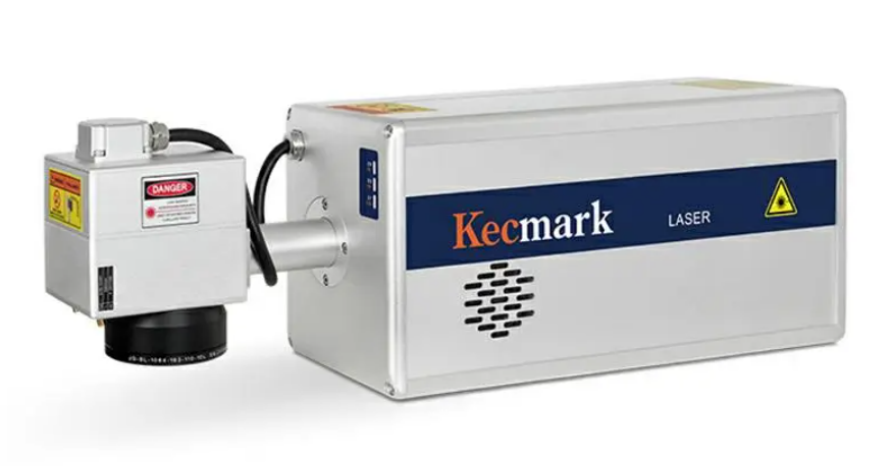
The challenge for manufacturers lies in overcoming the inherent limitations of ink-based systems, such as frequent maintenance and environmental sensitivities. Transitioning to advanced laser technology, specifically the Fibre laser marking machine 700 series developed by Hangzhou Kechuang Mark Technology Co.,Ltd(Kecmark) offers a solution designed to meet stringent global standards. By examining real-world performance across various substrates like PET bottles and aluminum foil, this review evaluates how fiber laser technology compares to traditional liquid-based solutions.
Speed and Stability: The High-Throughput Performance Gap
High-speed production environments, particularly those exceeding 200 units per minute, serve as the ultimate testing ground for coding stability. In these scenarios, timing and precision determine the success of a batch. Traditional CIJ systems often face difficulties at these velocities; the physical flight of ink droplets can be affected by air currents or vibration, leading to distorted characters or “break-point” inconsistencies. Similarly, TIJ cartridges may experience nozzle dehydration during continuous operation, requiring frequent pauses for cleaning.
The 700 series fiber laser system utilizes high-speed digital scanning galvanometers to achieve precise “marking-on-the-fly.” This technology allows for seamless integration with vertical packaging machines and conveyor belts. By employing servo-synchronization techniques, the laser maintains exact positioning even if line speeds fluctuate. This eliminates the risk of missed codes, ensuring that every bottle or pouch receives a permanent, high-contrast mark without physical contact. The result is a significant reduction in unplanned downtime, as the solid-state laser source operates consistently without the mechanical wear associated with pumping liquid inks.
Versatility Across Diverse Packaging Materials
Modern factories rarely produce a single product type. A single facility might process PET mineral water bottles, aluminum foil pharmaceutical strips, and coated cardboard cartons in the same week. This material diversity presents a significant hurdle for traditional coding. Inkjet systems often require specific ink formulations–such as food-grade, alcohol-resistant, or high-adhesion inks–depending on the substrate. Changing these inks involves intensive cleaning cycles and increases the complexity of inventory management.
Fiber laser systems offer a “one-machine-fits-all” flexibility that liquid-based systems cannot match. The high-density energy of the fiber laser interacts directly with the surface of metals like battery casings or plastics in food containers. This process creates a permanent chemical or physical change in the material, resulting in a mark that is resistant to abrasion, moisture, and chemical exposure. Whether marking on high-density polyethylene (HDPE) or reflective metallic surfaces, the laser provides consistent legibility without the risk of ink smudging or poor adhesion. This flexibility allows manufacturers to switch product lines rapidly without the hidden costs of ink reconfiguration.
Economic Analysis: Consumables and Environmental Impact
While the initial investment in a fiber laser system is higher than an inkjet printer, the long-term economic narrative favors the laser. Traditional CIJ printers involve a continuous cycle of purchasing ink, makeup solvents, and filters. Furthermore, these systems require solvent-based cleaning agents to prevent clogging. Over a three-year period, these recurring costs often exceed the original purchase price of the equipment.
In contrast, the fiber laser operates without any consumables. There are no fluids to purchase, store, or dispose of as hazardous waste. This aligns with the strict Good Manufacturing Practice (GMP) requirements in the pharmaceutical and food sectors. From an environmental perspective, the absence of Volatile Organic Compounds (VOCs) commonly found in ketone-based inks makes laser coding a safer choice for workers and the planet. When calculating the TCO, the reduction in maintenance labor and the elimination of consumable expenses typically results in a faster return on investment for high-volume producers.
Engineering Excellence and Industry Integration
Hangzhou Kechuang Mark Technology Co.,Ltd has spent over a decade refining the hardware and software integration required for these sophisticated systems. As a recognized National High-Tech Enterprise with over 40 patents, the company focuses on creating intelligent, visualized, and digitalized production tools. Their commitment to quality is backed by national CMA testing and memberships in major industry alliances, such as the China Machine Vision Industry Alliance.
The integration of fiber laser technology represents more than just a hardware upgrade. It is a transition toward a more sustainable and reliable manufacturing model. By removing the variables associated with liquid inks, businesses can achieve higher levels of automation and traceability. As global regulations regarding product safety and anti-counterfeiting become more stringent, the permanent nature of laser marking provides a robust foundation for long-term compliance and brand protection.
For further information on advanced marking solutions, visit the official website: https://www.kec-smark.com/

Source :Hangzhou Kechuang Mark Technology Co.,Ltd.
This article was originally published by EMWNews. Read the original article here.
FREE Money In 2024 The Average Family Will Receive $22,967 On Gov’t Grants If They Apply.
There’s nothing complicated about it, Get Your FREE Money!
NO CREDIT Check – Bankruptcy OK – Apply Online
https://GrantsAvailable.com
[youtube https://www.youtube.com/watch?v=a0g8UEDB47Y?si=cKR-DuN-n7I_rB4d&w=560&h=315]