Industrial Marking Selection: CO2 vs Fiber Laser via Kecmark Solutions

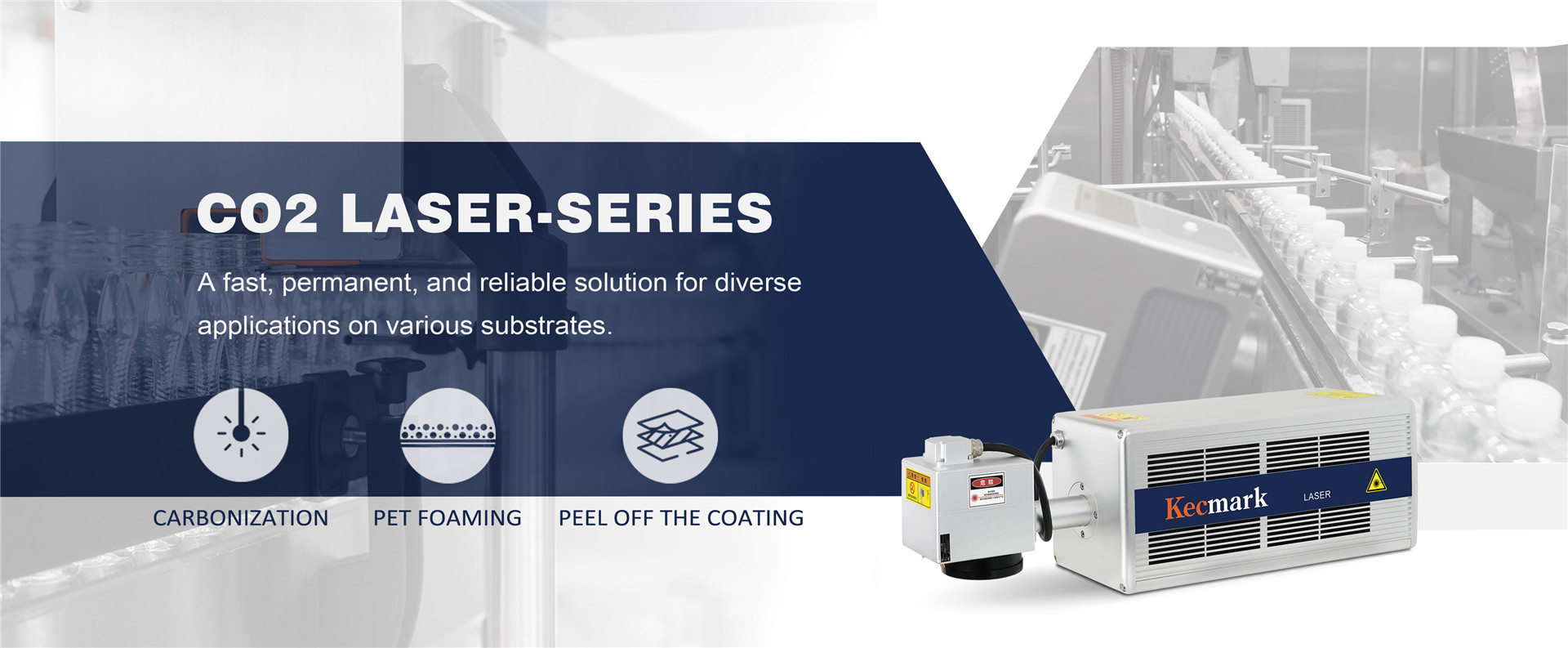

Hangzhou, Zhejiang May 20, 2026 (EMWNews.com) – The global industrial landscape currently demands higher levels of precision, speed, and traceability in manufacturing. As digital production becomes the standard, selecting the right equipment remains a critical decision for operational efficiency. Hangzhou Kechuang Mark Technology Co.,Ltd serves as a Professional CO2 laser and fiber laser Supplier, offering advanced solutions that bridge the gap between material science and hardware performance. By integrating research, development, and service, the company helps businesses transition toward intelligent and visualized production environments. Understanding the technical distinctions between laser types ensures that manufacturers achieve permanent, high-quality results across diverse substrates.
Wavelength Science: The Fundamental Distinction in Material Interaction
The primary difference between marking technologies lies in the laser wavelength. This physical property determines how different materials absorb energy. The 300 series CO2 laser marking systems operate within a wavelength range of 9.3 to 10.6 micrometers. This long-wave infrared spectrum interacts most effectively with non-metallic surfaces. Most organic materials, such as paper, wood, and certain plastics, absorb this energy readily. The thermal effect creates a clear, localized change on the surface without damaging the structural integrity of the product.
In contrast, the 700 series fiber laser marking systems utilize a much shorter wavelength of 1064 nm. This near-infrared light interacts specifically with the electron structure of metals and dark, high-density plastics. Fiber lasers provide a high-intensity focal point. This intensity allows for deep engraving, annealing, or surface stripping on hard materials. While the CO2 laser excels at surface-level thermal reactions on soft goods, the fiber laser provides the power necessary for high-contrast marks on industrial-grade metals.
Selection Logic: Matching Materials and Production Environments
Material compatibility serves as the first filter in the decision-making process. The 300 series CO2 laser systems frequently handle PET bottles, cardboard packaging, and flexible films. Many beverage and pharmaceutical companies utilize these machines because the laser provides a clean alternative to traditional ink. The marks resist environmental factors like moisture and friction. For materials like glass or ceramics, the CO2 wavelength creates a frosted effect that remains legible throughout the product life cycle.
The 700 series fiber laser takes precedence when the substrate involves stainless steel, aluminum, or various alloys. In the automotive and hardware sectors, components must withstand extreme heat, oil, and abrasion. Fiber laser technology ensures that serial numbers, barcodes, and logos remain permanent. These machines also perform exceptionally well on engineered plastics used in electronics. The high frequency of the fiber source allows for rapid processing, which suits high-volume assembly lines where cycle times are measured in milliseconds.
Production scenarios also dictate the choice of technology. Food and pharmaceutical packaging lines prioritize hygiene and speed. CO2 lasers integrate seamlessly into these environments because they eliminate the need for liquid consumables. This removal reduces the risk of contamination and lowers the maintenance burden. Conversely, aerospace and heavy machinery plants require the durability of fiber marking. These industries often demand high-contrast identifiers that automated vision systems can read easily.
Technical Integration: Beyond Standard Hardware
Hangzhou Kechuang Mark Technology Co.,Ltd builds its reputation on technical depth rather than simple assembly. The company holds over 40 patents and software copyrights, reflecting a decade of hardware and software refinement. The 300 series CO2 laser equipment provides three specific wavelengths: 9.3, 10.2, and 10.6 micrometers. This variety allows for precise matching with specific polymers. For instance, a 9.3 micrometer wavelength produces superior results on PET, preventing the “pinhole” effect that standard lasers might cause.
The design of these systems also considers the physical constraints of modern factories. Equipment supports 0 to 360 degree installation angles. This flexibility enables integration into existing production lines without significant layout changes. The hardware features IP54 protection ratings, ensuring reliable operation in dusty or humid industrial settings. Furthermore, the 700 series fiber laser sources offer a lifespan of up to 100,000 hours. This longevity provides a stable foundation for long-term production planning.
Economic Impact and Sustainability in Marking
Modern manufacturing increasingly focuses on the total cost of ownership and environmental impact. Traditional inkjet systems require constant purchases of ink and solvent. They also involve regular filter changes and printhead cleaning. Laser systems eliminate these recurring costs. A transition to laser marking significantly reduces the waste stream associated with chemical consumables. This shift aligns with global sustainability goals and reduces the carbon footprint of the production facility.
The long-term economic benefits are particularly evident in the 700 series fiber systems. With minimal moving parts and no consumables, the primary cost remains the initial investment and electricity. The high energy efficiency of fiber technology further lowers operational expenses. Digitalization also plays a role in economic performance. The software integration allows for real-time data adjustments and remote monitoring. This capability reduces downtime and prevents errors in batch coding.
Conclusion: Precision Matching Over Universal Solutions
Industrial marking does not have a single universal solution. The effectiveness of a system depends on the synergy between the laser wavelength and the material properties. The 300 series CO2 laser manages soft, non-metallic packaging with precision and cleanliness. The 700 series fiber laser provides the durability and contrast required for hard metals and industrial components.
Hangzhou Kechuang Mark Technology Co.,Ltd provides a diagnostic approach to equipment selection. The value lies in analyzing the material science before recommending a hardware configuration. As a member of the China Machine Vision Industry Alliance and the Zhejiang Food Industry Association, the company remains at the forefront of traceability standards. By focusing on E-E-A-T principles–Experience, Expertise, Authoritativeness, and Trustworthiness–the organization ensures that every marking solution contributes to a more efficient, digitalized future.
For more information on industrial marking and coding solutions, please visit: https://www.kec-smark.com/


Source :Hangzhou Kechuang Mark Technology Co.,Ltd.
This article was originally published by EMWNews. Read the original article here.
FREE Money In 2024 The Average Family Will Receive $22,967 On Gov’t Grants If They Apply.
There’s nothing complicated about it, Get Your FREE Money!
NO CREDIT Check – Bankruptcy OK – Apply Online
https://GrantsAvailable.com
[youtube https://www.youtube.com/watch?v=a0g8UEDB47Y?si=cKR-DuN-n7I_rB4d&w=560&h=315]