Koris vs. Traditional Options: Choosing a Professional Custom Solid Surface Supplier

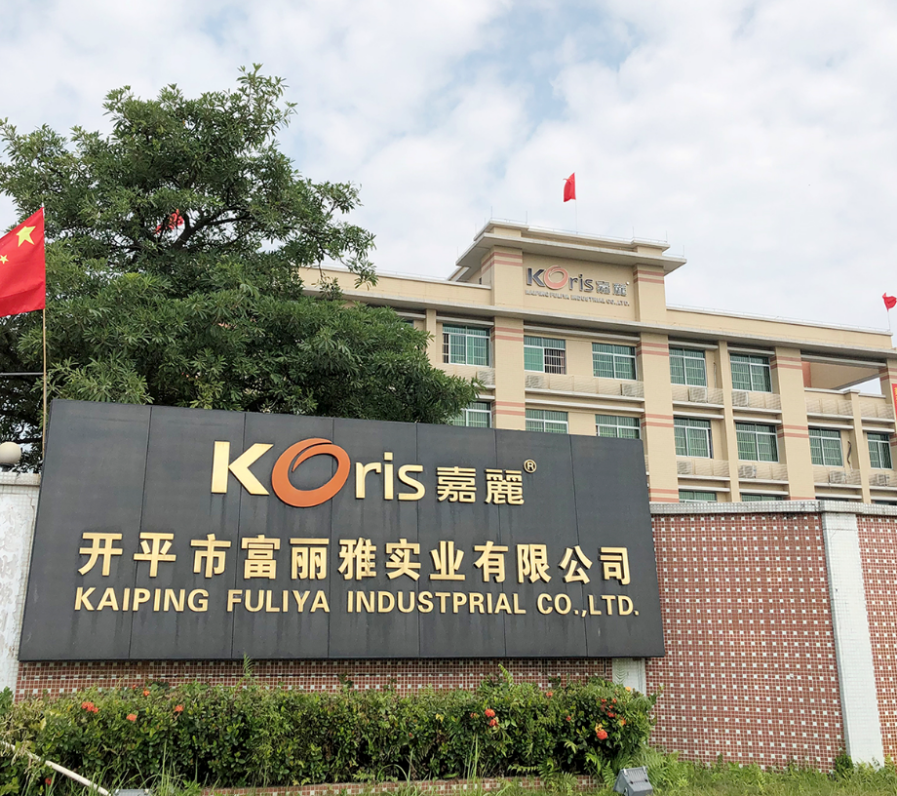

Jiangmen, Guangdong May 6, 2026 (EMWNews.com) – In the contemporary architectural and interior design landscape, the selection of surfacing materials has evolved far beyond simple aesthetics. Among the diverse options available, solid surface materials–typically composed of acrylic resins, polyester, and natural minerals–have become a staple for high-traffic and hygiene-critical environments. However, the market is currently experiencing a significant polarization. On one end, premium multinational brands command substantial price premiums, often driven by marketing overhead rather than material breakthroughs. On the other, a sea of traditional low-end wholesalers offers generic products that frequently lack the durability and customization capabilities required for sophisticated projects. For developers and architects, the challenge lies in identifying a Professional Custom Solid Surface Supplier that bridges the gap between cost-efficiency and uncompromising quality. Koris(Kaiping Fuliya Industrial Co., Ltd.,) has emerged as a specialized force in this sector, offering a “third way” that combines factory-direct scalability with high-end bespoke artistry.
Material Integrity and Global Safety Standards
The fundamental difference between professional-grade solid surfaces and traditional low-cost alternatives lies in the chemical composition and manufacturing precision. Many traditional suppliers prioritize cost reduction by using excessive fillers and low-quality resins, which results in surfaces prone to “yellowing,” cracking under thermal expansion, or harboring bacteria in microscopic pores.
In contrast, professional manufacturing focuses on the transparency of components. The performance of a surface is dictated by the balance of Pure Acrylic or Modified Acrylic resins. By maintaining rigorous control over the polymerization process, materials can achieve a non-porous structure that is inherently resistant to stains and microbial growth. This technical rigor is validated through international certifications such as NSF (National Sanitation Foundation) for food-grade safety, CE marking for European conformity, and ISO 9001 for quality management systems. These credentials are not merely badges; they ensure that the material can perform reliably in stringent environments like healthcare facilities and laboratories, where chemical resistance and hygiene are non-negotiable.
Seamless Fabrication and the Limits of Bulk Supply
A common bottleneck in the procurement process is the disconnect between material supply and complex fabrication. Traditional trading companies typically operate on a “bulk supply” model–they sell standardized sheets but lack the technical infrastructure to support intricate designs. This leaves the burden of risk on the local fabricator, who may not have the specialized equipment to handle complex geometries.
A specialized custom supplier integrates the production of raw materials with advanced fabrication capabilities. Modern visionary projects frequently call for organic shapes, such as curved reception desks or integrated vanity systems with no visible joints. Achieving these “invisibly seamed” transitions requires precise thermoforming technology and color-matched adhesives. With a library of over 1,000 colors and the ability to produce 1:1 physical samples, the transition from a digital rendering to a physical structure becomes a streamlined process. This integrated approach reduces communication friction for architects, ensuring that the structural integrity of a complex design is maintained from the factory floor to the final installation.
Supply Chain Stability and Global Logistics Efficiency
For large-scale B2B projects, the total cost of ownership is influenced heavily by lead times and supply chain transparency. International premium brands often utilize multi-tier distribution networks. While this provides local presence, it frequently leads to inflated costs due to intermediary margins and unpredictable delivery schedules dictated by regional stock levels.
The alternative is a factory-direct model centered in manufacturing hubs like Kaiping, China. A massive production base–such as a 36,000-square-meter facility–provides the necessary economies of scale to handle high-volume demands without compromising on the specificity of the order. By bypassing the traditional layers of global distribution, a professional supplier can offer faster response times and more competitive pricing. This logistical agility allows developers to allocate budgets more effectively, ensuring that high-performance materials do not become a prohibitive expense in the project’s bottom line.
R&D Synergies: Transitioning from OEM to ODM
While many traditional factories operate under a standard OEM (Original Equipment Manufacturer) model–simply following provided drawings–they often falter when a project requires innovation. If a designer requires a unique translucency for a backlit feature or a specific chemical-resistant formulation for a high-tech lab, an OEM-only factory may lack the laboratory resources to adapt.
The true value of a professional partner lies in its R&D and ODM (Original Design Manufacturer) capabilities. This collaborative innovation manifests in several key areas:
Color Matching and Texture Replication: Utilizing dedicated laboratories to accurately match specific color codes or replicate the intricate veining of natural marble, such as the HW6812 white marble pattern.
Structural Problem Solving: Providing technical consultation during the early stages of a project to optimize the structural support for non-standard items, such as 3D-curved backsplashes or massive-scale installations.
Material Modification: The ability to tweak the formula to enhance fire ratings (FR), UV resistance for outdoor applications, or specific light diffusion properties for illuminated furniture.
This level of technical synergy transforms the supplier from a mere vendor into a project collaborator, capable of turning bold conceptual designs into high-performance realities.
Conclusion
Choosing a solid surface partner is a strategic decision that impacts the longevity and aesthetic success of an architectural project. While traditional options may offer lower initial costs or the comfort of a high-priced brand name, the “third way” represented by professional custom suppliers offers a balanced solution. By prioritizing material science, seamless fabrication, and direct-to-factory communication, stakeholders can achieve the bespoke quality of a luxury brand with the efficiency of a global manufacturer. In the evolving world of material science, the most successful projects are those supported by a partner that understands that every visionary concept deserves a tailor-made reality.
For more information, please visit: https://www.koris-solidsurface.com/


Media Contact
Kaiping Fuliya Industrial Co., Ltd.
Source :Kaiping Fuliya Industrial Co., Ltd.
This article was originally published by EMWNews. Read the original article here.
FREE Money In 2024 The Average Family Will Receive $22,967 On Gov’t Grants If They Apply.
There’s nothing complicated about it, Get Your FREE Money!
NO CREDIT Check – Bankruptcy OK – Apply Online
https://GrantsAvailable.com
[youtube https://www.youtube.com/watch?v=a0g8UEDB47Y?si=cKR-DuN-n7I_rB4d&w=560&h=315]