Quality Assurance Secrets: Inside the ISO Certified Factory of a China Electric Golf Cart Company

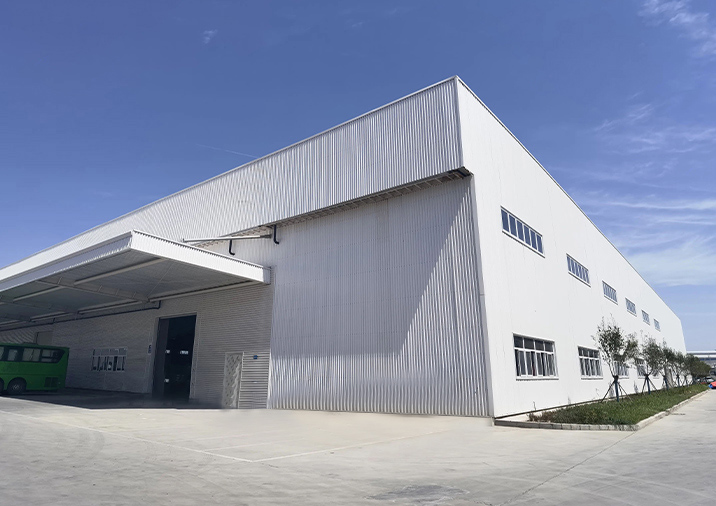

Saint Petersburg, Florida Apr 20, 2026 (EMWNews.com) – The global shift toward sustainable mobility has transformed the electric vehicle landscape, placing a spotlight on the rigorous manufacturing standards required for low-speed vehicles. As international demand for reliable fleet solutions grows, the differentiation between assembly-focused operations and comprehensive manufacturing centers becomes increasingly clear. For those evaluating a China Electric Golf Cart Company, the true value lies within the controlled environment of a certified factory, where precision engineering meets international safety protocols. Understanding the internal mechanisms of quality assurance provides essential clarity for procurement professionals and private buyers who prioritize durability and technical integrity in their transportation investments.
The journey from raw materials to a high-end customized vehicle is governed by a series of structured protocols that ensure every component performs under diverse operational conditions. By examining the workflows and certification frameworks of a modern production facility, one can appreciate the complex balance of innovation and standardization that defines the current era of electric golf cart manufacturing.
The Foundation of Standardized Manufacturing
At the core of a professional manufacturing operation is the adherence to internationally recognized management systems. ISO certification serves as a blueprint for consistency, ensuring that every vehicle produced follows a repeatable, high-quality process. For a specialized manufacturer, this means maintaining a facility that manages everything from supply chain integrity to the final assembly line with mathematical precision. Such a robust framework allows a manufacturer to function as a powerful entity capable of handling high-capacity orders while maintaining the intricate details required for customized units.
Operating within these standards involves a commitment to resource management that extends beyond the factory floor. It encompasses the systematic training of technicians and the implementation of advanced diagnostic tools. When a manufacturer aligns its internal culture with global benchmarks, the resulting products reflect a level of reliability that meets the expectations of international markets. This systematic approach reduces variance and ensures that the structural components, such as the chassis and suspension, are built to withstand years of rigorous use in commercial and recreational settings.
Technical Synthesis and Engineering Evolution
The evolution of electric golf carts has been significantly influenced by the benchmarks set by established global brands. A sophisticated production strategy often involves integrating the mechanical advantages found in EZ-GO, Club Car, and Yamaha models into a cohesive, proprietary design. This synthesis of engineering philosophies allows for the development of car series that reflect the technical standards of imported electric vehicles while incorporating localized innovations in battery management and motor efficiency.
Adopting advanced technology is not merely about the electronics; it involves the fundamental research and development of the vehicle’s architecture. By designing cars in accordance with high-level technical standards, manufacturers can ensure that their proprietary series offer comparable, if not enhanced, performance characteristics. This R&D-centric approach enables the creation of high-end customized carts that cater to specific environmental needs–whether that involves specialized climbing abilities for hilly terrain or enhanced weatherproofing for coastal resorts. The focus remains on technical harmony, where the controller, motor, and battery operate as a single, optimized system.
Precision Assembly and Safety Certifications
Safety in the electric vehicle sector is validated through rigorous testing and certification. The attainment of CE certification is a critical milestone for any serious manufacturer, serving as a testament to the vehicle’s compliance with essential health and safety requirements. Within the factory, this compliance is manifested in the precision of the assembly process. Every electrical circuit, braking system, and structural weld undergoes multiple stages of inspection to prevent failures before the vehicle ever leaves the facility.
The assembly line of a high-end manufacturer utilizes specialized jigs and automated systems to ensure that every frame is aligned within tight tolerances. This attention to detail is particularly important for customized vehicles, where unique body styles or seating configurations must not compromise the vehicle’s center of gravity or handling dynamics. By maintaining a controlled production environment, the factory ensures that the integration of premium components–such as high-torque AC motors and sophisticated hydraulic systems–is executed without error, resulting in a safe and predictable driving experience.
Customization Protocols and Quality Control
True customization requires more than just aesthetic changes; it demands a flexible manufacturing infrastructure that can adapt to specific functional requirements. Professional factories are designed to accommodate these variations without disrupting the overall quality control flow. Whether a client requires a specific utility bed for facility maintenance or a multi-passenger configuration for hospitality services, the manufacturing process remains grounded in standardized safety checks.
Quality control is an omnipresent force throughout the production cycle. It begins with the inspection of incoming materials and continues through to the final road test. Each customized cart is subjected to a battery of tests, including incline performance, braking distance verification, and water-resistance trials. This ensures that the specialized nature of the vehicle does not detract from its core reliability. By documenting every stage of the build, the manufacturer provides a transparent record of quality that reinforces the trust between the factory and the end-user.
Strategic Sourcing and Supply Chain Integrity
A powerful manufacturer is defined by the strength of its partnerships and the quality of the raw materials it procures. Managing a complex supply chain is a fundamental aspect of ISO-certified operations. This involves sourcing high-grade aluminum or steel for the chassis, durable composites for the bodywork, and reliable electronic components from reputable suppliers. By maintaining strict criteria for third-party parts, the manufacturer ensures that the finished vehicle is only as strong as its weakest link.
This integrity in sourcing also facilitates better long-term maintenance. When a vehicle is built with standardized, high-quality components, the availability of spare parts and the ease of service are significantly improved. For international buyers, this means that the investment is protected by a supply chain designed for longevity. The factory’s role, therefore, is to act as the final arbiter of quality, ensuring that every sourced component meets the internal technical standards established during the design phase.
Operational Excellence in 2026
As the industry moves through 2026, the focus has shifted toward even greater transparency and technological integration. Modern factories are increasingly adopting digital twin technology and real-time monitoring to track the progress of every unit on the assembly line. This level of operational oversight allows for immediate adjustments and ensures that the final product adheres strictly to the client’s specifications and the factory’s high-performance benchmarks.
The commitment to continuous improvement is what separates a standard provider from a professional manufacturing partner. By investing in modern infrastructure and a skilled workforce, a manufacturer can navigate the complexities of global trade while delivering vehicles that reflect the pinnacle of current electric mobility standards. This dedication to excellence is not just about the final product; it is about the culture of quality that permeates every square meter of the production facility.
Choosing a vehicle provider is a decision that impacts operational efficiency and safety for years to come. By prioritizing manufacturers that demonstrate a rigorous commitment to ISO standards, CE certifications, and advanced R&D, buyers can ensure they are receiving a product engineered for the long term. For a deeper look at the technical specifications and the diverse range of high-end customized models available, comprehensive details can be found at https://www.xxgolfcarts.com/.
Source :XXCART INC
This article was originally published by EMWNews. Read the original article here.
FREE Money In 2024 The Average Family Will Receive $22,967 On Gov’t Grants If They Apply.
There’s nothing complicated about it, Get Your FREE Money!
NO CREDIT Check – Bankruptcy OK – Apply Online
https://GrantsAvailable.com
[youtube https://www.youtube.com/watch?v=a0g8UEDB47Y?si=cKR-DuN-n7I_rB4d&w=560&h=315]