Why Do UV Panels Turn Yellow After Installation? Causes – Prevention Guide

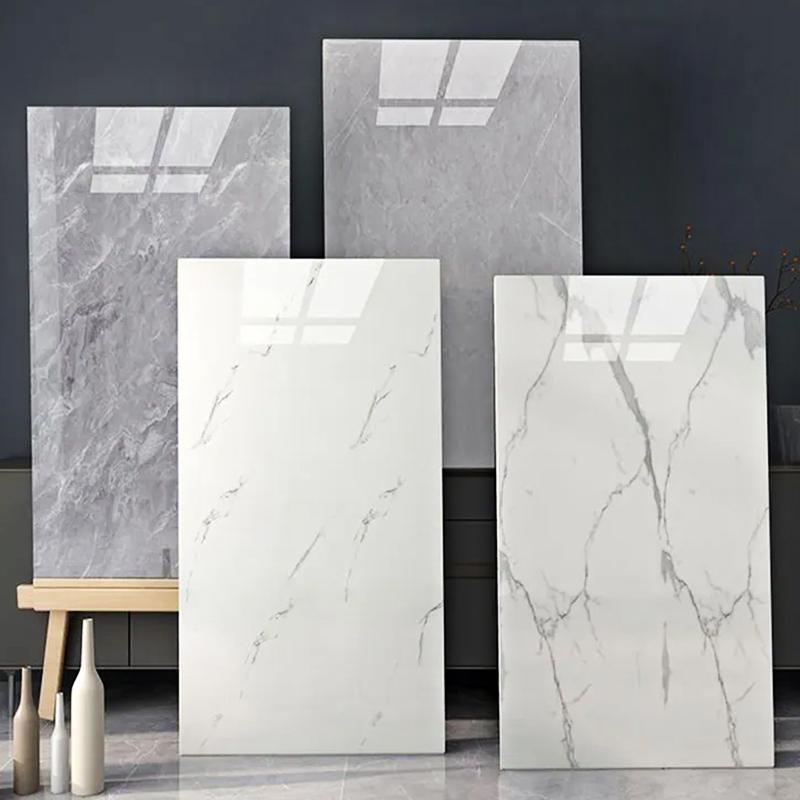

Linyi, Shandong Jun 26, 2026 (EMWNews.com) – Introduction
For furniture makers, renovation contractors, and international importers sourcing glossy UV Decorative Panels, yellowing after installation ranks among the most common complaints they receive from end customers. Most buyers expect their UV cabinet doors and wall cladding to hold their original clear tone for many years, only to find uneven warm discoloration showing up on finished projects over time. This shift in appearance lowers the decorative value of the space, leads to customer dissatisfaction, and strains long-term working relationships between suppliers, distributors, and installers.
In this article, we break down the real-world reasons UV panels turn yellow. We separate natural, gradual color change that happens to all UV-coated materials from avoidable discoloration caused by poor manufacturing or improper installation choices. We also share practical, easy-to-follow advice to help bulk buyers reduce yellowing issues on their future orders, based on long-term feedback from overseas distributors, contractors, and project buyers.
1. The Natural Root Cause: Slow Oxidation of UV Surface Coatings
The “UV” label refers to the clear protective coating cured with ultraviolet light during production. While this coating creates a tough, wipeable glossy surface, Most standard UV resin coatings gradually react with oxygen over time. This natural chemical reaction is what creates a faint, warm, yellow tint across the whole panel surface.
When panels sit in steady, indirect indoor lighting with mild temperature levels, most UV coatings will develop this subtle warm tone after several years of use. This even, gentle color shift is a basic trait of all unmodified UV coating materials, not a flaw from the production line.
Most standard UV resin formulas naturally undergo slow oxidation over time, which gradually causes mild yellowing. You will not see patchy marks or edge-only discoloration from this process; the whole surface changes tone evenly and slowly.
2. Manufacturing Choices That Speed Up Visible, Uneven Yellowing
When yellow spots or obvious discoloration appear within just a couple of years after installation, the issue almost always traces back to shortcuts taken while making the UV panels. These problems can be spotted early by checking samples before placing large orders.
2.1 Low-grade coating formulas without anti-oxidation additives
Budget UV coating materials skip protective ingredients that slow down oxidation. Panels made with these cheaper coatings will turn noticeably yellow much faster, even in dim indoor rooms. Better coating mixes include built-in stabilizers to slow this color shift, and reputable material suppliers can share details about these protective additives upon request.
2.2 Incomplete curing during production
To speed up daily output, some factories move panels too quickly under UV lamps. When the coating does not fully harden, leftover unreacted material under the surface oxidizes quickly once exposed to air after installation. This leads to blotchy yellow marks, most obvious on panels placed near windows or heat sources.
2.3 Low-quality baseboards that release gas
MDF, bamboo charcoal, and WPC substrates all release small amounts of airborne compounds over time. If the UV top coat lacks a full barrier primer layer, these gases seep up through the coating and trigger yellow discoloration, usually along cut edges or drilled holes on panels. This issue is far more common with loose, low-density baseboards that carry higher volatile content, especially in humid coastal regions.
2.4 Thin surface coating layers
Quality anti-yellow UV panels use a sufficiently thick and fully cured top coating layer. Factories that apply an overly thin coat to cut raw material costs leave a fragile protective film. This thin layer cannot block oxygen or gas from the substrate, speeding up visible yellowing far sooner than expected.
3. Environmental & Installation Habits That Make Yellowing Worse
Even well-made UV panels will discolor faster if placed in harsh indoor conditions. These are controllable factors that contractors and end homeowners can adjust during project planning.
3.1 Long exposure to direct sunlight
Unfiltered natural sunlight delivers strong UV rays that break down the surface coating much faster. Panels fitted on south-facing walls, open retail display counters, or unshaded balcony cabinetry often show clear yellowing within a short window. Indirect, diffused room light creates almost no accelerated color shift by comparison.
3.2 Consistent high heat or sharp temperature swings
Prolonged warmth speeds up oxidation in UV coatings. Panels installed right next to kitchen stoves, radiators, or inside fully sealed cabinets with no airflow soak up steady heat and develop yellow tones faster. Uninsulated spaces that swing between hot and cold every day also create uneven surface discoloration.
3.3 High humidity paired with harsh cleaning chemicals
Sticky, humid air softens the UV coating’s surface structure and makes oxidation easier. Many home and shop owners use strong all-purpose cleaners loaded with alcohol or ammonia to wipe down UV furniture. These abrasive cleaners wear away the protective top layer, stripping out stabilizers and leaving raw coating resin open to air exposure.
3.4 Closed, unventilated storage spaces
Tight, airless cabinet interiors trap humidity and gases released by the baseboard material right against the UV panel surface. This closed microclimate creates localized yellowing on inner cabinet doors and shelving panels over time.
4. Real Overseas Project Case: Common Yellowing Scenario We Encounter Common Case We See in Overseas Projects
In one Southeast Asia kitchen cabinet project, UV panels installed beside poorly ventilated cooking areas developed visible yellowing near cabinet edges within two years, while panels installed in shaded bedroom wardrobes showed minimal color change. Investigation suggested heat accumulation and oil vapor exposure accelerated coating oxidation on the kitchen cabinet surfaces.
We also regularly see similar outcomes in Middle Eastern retail fit-outs: UV display counters placed in full shopfront sunlight show uneven warm discoloration, while identical panels used in back storage rooms retain their original clear finish for far longer.
5. How To Tell Natural Aging Apart From Preventable Yellowing
For importers and contractors resolving customer complaints, clear differentiation helps settle disputes fairly without biased assumptions about panel quality:
- Natural slow oxidation: Soft, uniform warm tone across the entire panel, develops evenly after many years of installation, no splotches or edge-only discoloration.
- Production shortcut yellowing: Uneven blotches, heavy discoloration limited to cut edges or drilled holes, and obvious color shift showing up within just a couple of years of fitting.
- Environment-driven yellowing: Yellow marks only on sections hit by direct sun, heat, or trapped kitchen moisture; shaded areas of the same panel stay close to the original color.
If disputes arise, independent material testing services can analyze the coating layer to confirm whether discoloration stems from natural aging, incomplete curing, or low-grade raw materials. Formal test results can be shared to resolve project or after-sales conflicts.
6. Practical Steps To Cut Yellowing Risks On Your Projects
These straightforward tips apply to furniture factories, distributors, and renovation teams buying UV panels in bulk:
- Ask suppliers to share coating material details before placing large orders. Confirm their UV mixes include stabilizer additives meant to slow oxidation, and request sample pieces to observe color stability under simulated harsh light conditions.
- Prioritize panels built with a full primer barrier layer and thick, fully cured top coating, paired with low-emission E0 grade substrates to reduce gas release from the baseboard.
- Share simple design guidance with your clients: Avoid placing large UV panel surfaces in permanent direct sunlight; recommend window films or light curtains for south-facing wall cladding and cabinetry.
- Pass along easy maintenance rules to end buyers: Advise cleaning glossy UV surfaces only with a soft microfiber cloth and mild water-based cleaners, skipping harsh chemical detergents.
- Adjust project layouts where possible: Leave small ventilation gaps inside fully enclosed cabinets, and separate UV cabinet panels from heat sources like stoves and radiators.
- For customers importing to humid coastal markets, opt for UV panels built on WPC substrates, which hold up better to consistent damp air and slow down substrate gas release.
7. Frequently Asked Questions (FAQ)Can yellowed UV panels be restored?
Mild surface yellowing caused by oxidation usually cannot be fully reversed, but professional polishing may slightly improve appearance. For significant discoloration, replacing the affected panels is often the most effective solution.
Are white UV panels more likely to show yellowing?
Yes. Light-colored and high-gloss white panels make yellowing more visible than dark wood-grain surfaces. This is purely a matter of contrast; the underlying oxidation rate is similar across all colors. For projects where long-term color stability is critical, a light off-white or cream color may be a better choice than pure white.
Is yellowing covered by supplier’s warranty?
This depends on the supplier’s warranty terms and whether the discoloration is caused by manufacturing defects or environmental exposure. Most warranties will cover yellowing due to poor materials or workmanship (e.g., using low-grade resin or incomplete curing) within a specified period. However, yellowing caused by improper installation, direct sunlight, or harsh chemicals is typically not covered. Always clarify the warranty details with your supplier before placing an order.
Conclusion
Yellowing on UV decorative panels comes from two core sources: unavoidable long-term oxidation that affects all UV-coated materials, and avoidable discoloration caused by low-standard manufacturing, harsh installation environments, or improper cleaning habits. No UV panel option can fully stop the gentle natural color shift after many years of indoor use.
For B2B buyers sourcing UV panels for global markets, you can greatly reduce customer after-sales issues by reviewing coating details on pre-order samples, testing material stability before bulk shipments, and sharing clear installation and care guidance with your downstream clients. Understanding these straightforward, real-world causes of UV panel yellowing lets you set realistic expectations with your project partners and pick panel styles matched to each space’s unique indoor conditions.
Source :Shandong Ruide Import and Export Co., Ltd.
This article was originally published by EMWNews. Read the original article here.
FREE Money In 2024 The Average Family Will Receive $22,967 On Gov’t Grants If They Apply.There’s nothing complicated about it, Get Your FREE Money!NO CREDIT Check – Bankruptcy OK – Apply Onlinehttps://GrantsAvailable.com[youtube https://www.youtube.com/watch?v=a0g8UEDB47Y?si=cKR-DuN-n7I_rB4d&w=560&h=315]