New Model Aims to Reduce Hidden Liability Risk in Self-Directed Care While Strengthening Caregiver Stability

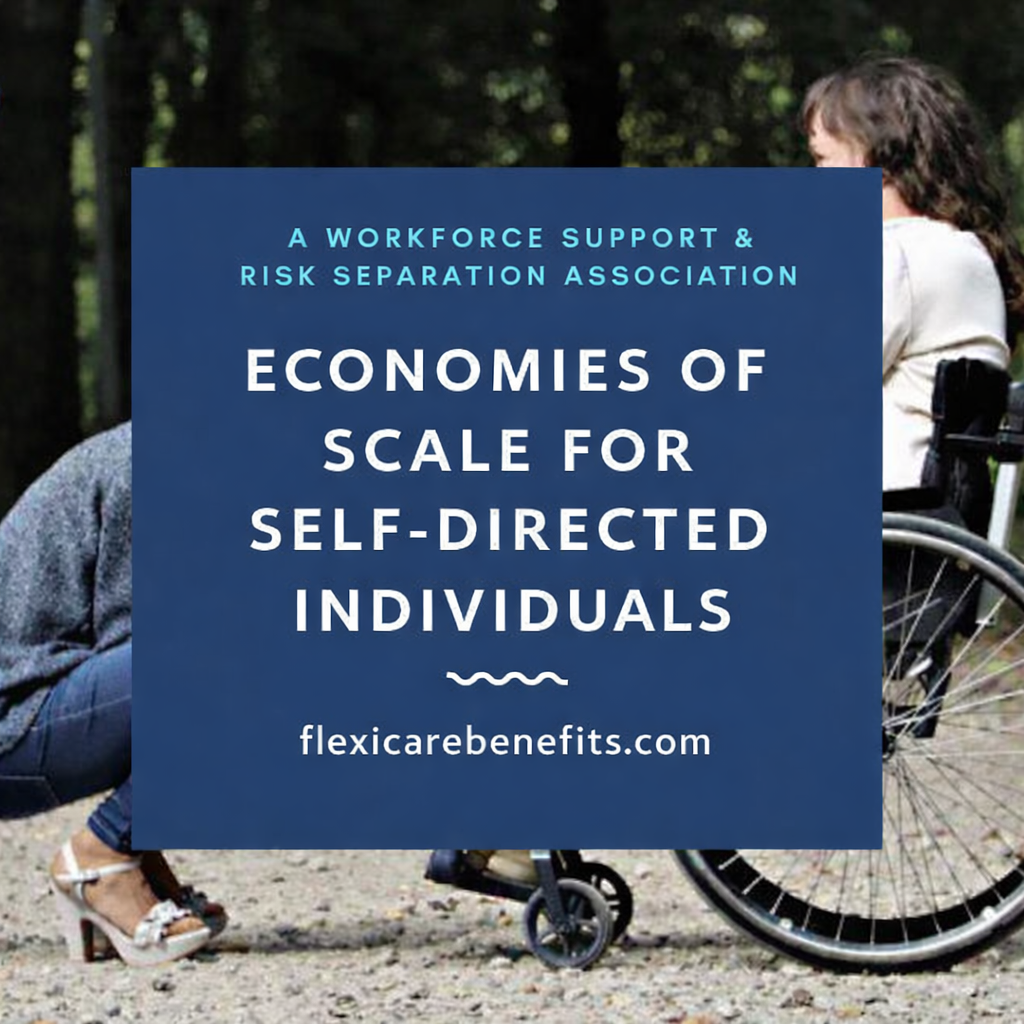

A parallel, non-employer support system introduces benefits, training, and contingent risk protection—without disrupting Medicaid or FMS structures
Woodbury, Minnesota May 29, 2026 (EMWNews.com) – As self-directed care continues to expand across Medicaid programs nationwide, a new initiative is addressing a growing but often overlooked challenge: how to support caregivers without unintentionally increasing liability for participants, Fiscal Management Services (FMS) providers, or Managed Care Organizations (MCOs).
The initiative introduces a parallel support model designed to operate outside of traditional Medicaid and FMS structures–preserving the integrity of self-direction while improving caregiver stability and reducing risk exposure.
“The biggest risk is not doing nothing–it’s doing the wrong things halfway,” said a project representative. “Many programs today are unintentionally creating liability by introducing partial training, guidance, or oversight without clear structural separation. That’s where legal exposure tends to emerge.”
Addressing a Growing Workforce Challenge
The announcement comes amid increasing pressure on the direct care workforce. According to PHI, the U.S. will need more than 9 million direct care job openings by 2031, while wages remain low and turnover remains high.
Research from the UCSF Health Workforce Research Center on Long-Term Care further highlights how “benefit cliffs” and income volatility contribute to workforce instability–creating challenges for both caregivers and the systems that rely on them.
A Parallel Support System–Not Embedded Services
Rather than embedding new services inside the FMS or employer structure, the model introduces a separate, voluntary ecosystem that operates independently.
“We’ve created a parallel support system outside of Medicaid and FMS operations that improves caregiver stability while introducing a non-employer, contingent risk backstop–without expanding liability or regulatory exposure.”
This approach maintains:
- The participant as the legal employer
- The FMS as an administrative entity
- A clear separation between support services and employment relationships
The Role of the Self-Directed Care Association
At the center of the model is the Self-Directed Care Association (SDCA), which functions as:
- A risk separator
- An engagement platform
- A benefits distributor
Key design features include:
- Voluntary membership
- No payroll deduction
- Delivery outside Medicaid funding
This structure allows programs to expand caregiver support without altering employer relationships or triggering regulatory concerns.
Supporting Platforms
Two platforms help operationalize the model:
Flexicare Benefits
A caregiver-focused platform offering:
- Non-insurance benefits
- Support services
- Engagement-based incentives not tied to employment
Self-Directed Care Assoc.
An assessment tool designed for MCOs and FMS providers to:
- Identify hidden areas of risk exposure
- Flag “middle ground” compliance issues
- Provide a roadmap for more defensible program design
A Timely Solution for States and Managed Care
As states and managed care organizations continue to explore ways to improve caregiver recruitment and retention, this model offers a framework that aligns support with compliance.
By keeping services external and voluntary, it avoids the unintended consequences that can arise when roles and responsibilities become blurred.
About the Initiative
The initiative focuses on strengthening the self-directed care model through innovative, compliant support structures that improve workforce stability while protecting existing program design.
Media Contact
Eric Dennison
[email protected]
Flexicare / SDCA
Source :Flexicare Benefits
This article was originally published by EMWNews. Read the original article here.
FREE Money In 2024 The Average Family Will Receive $22,967 On Gov’t Grants If They Apply.
There’s nothing complicated about it, Get Your FREE Money!
NO CREDIT Check – Bankruptcy OK – Apply Online
https://GrantsAvailable.com
[youtube https://www.youtube.com/watch?v=a0g8UEDB47Y?si=cKR-DuN-n7I_rB4d&w=560&h=315]