After 25 Years in Education, Jeremy Packman Shares What Actually Works

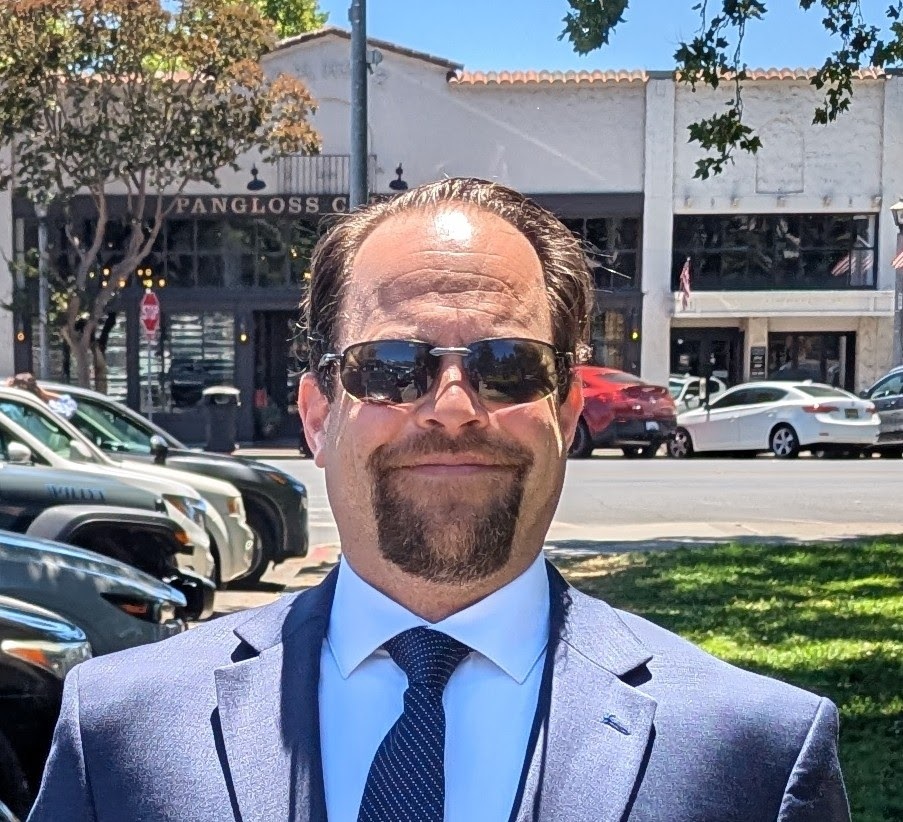

Santa Rosa education leader Jeremy Packman reflects on the systems, habits, and lessons that have stood the test of time in public education.
Santa Rosa, California May 21, 2026 (EMWNews.com) – After 25 years working inside public schools, Jeremy Packman has seen programs come and go, priorities shift, and new ideas cycle through the system. Through it all, his perspective has become more focused, not broader.
For Packman, who serves as an administrator on Special Assignment, what actually works in education is not complicated. But it is often overlooked.
“Most things don’t fail because people don’t care,” Packman said. “They fail because of a lack of structure and prioritization of time”.
From Classroom to System-Level Thinking
Mr. Packman began his career in education working directly with students. He served in AmeriCorps tutoring literacy before moving into the classroom, where he taught history for several years.
That early experience shaped how he sees the system today.
“As a teacher, you see where things break down in real time,” he said. “It is very easy to lose sight of the big picture when you are seeing the struggle daily. Schools that lack clear systems and communication are places where educational gaps widen, and teachers burn out quicker”.
Over time, he moved into leadership roles, including assistant principal and principal positions. His responsibilities expanded from individual classrooms to entire school systems.
The shift changed his focus.
“You go from managing what’s in front of you to managing how everything connects,” he said.
What Actually Works: Clarity Over Complexity
After decades in education, Jeremy Packman says one principle continues to stand out: clarity matters more than complexity.
“Documentation, data collection and analysis, and time to align what services we have to the issues our students face– those fundamentals do not change,” he said. “When systems are clear, people feel informed. When systems are unclear, tension rises.”
He points to special education as an area where this is especially important.
“If services don’t match what’s written, the system isn’t working,” he said. “This is where difficult conversations sometimes arise. Can a school provide the services stated in an IEP? Does a school have the resources, or the proper staffing?” If not, the team really needs to work together with the family to ensure that other services provide adequate support.”
His approach focuses on making systems visible and understandable. That includes clear documentation, defined roles, and consistent follow-up.
Why Communication Is Often the Breaking Point
Mr. Packman believes many challenges in schools come down to communication.
“A lot of conflict can be avoided if communication is clear and two-way. Administrators need to be open to hearing feedback that they may disagree with and honor that voice in their decision-making process,” he said.
Families, educators, and administrators often enter conversations with different interpretations of the same information. Without alignment, those differences can escalate quickly.
“You explain what the document says. You explain what the expectations are. You explain what can realistically happen,” he said. “When everyone understands the framework, conversations improve.”
“Leadership Lessons That Last
Mr. Packman’s leadership style has evolved over time. Early in his career, he focused on moving quickly and implementing change.
Now, his approach is more measured.
“You have to meet people where they are,” he said. “Change doesn’t work if people don’t understand it, and if it lacks a clear rationale.
He places a strong emphasis on listening and incorporating feedback into decisions.
“Active listening and follow-through matter,” he said. “If people feel heard, the system works better.”
What Comes Next for Schools and Systems
As Packman reflects on his career, his focus remains steady. He is interested in improving how systems support students, especially those with the highest needs.
He is also exploring how better tools and technology can reduce gaps and improve alignment across schools.
“Perseverance. Patience. Growth mindset,” he said. “Not as slogans. As operating principles.”
About Jeremy Packman
Jeremy Packman is a California-based Administrator on Special Assignment with 25 years of experience in public education, including 14 years in school leadership. He specializes in student services, special education systems, and education law compliance, with a focus on building clear, structured systems that support students and families. Learn more at www.jpeduconsult.net
Source :Jeremy Packman
This article was originally published by EMWNews. Read the original article here.
FREE Money In 2024 The Average Family Will Receive $22,967 On Gov’t Grants If They Apply.
There’s nothing complicated about it, Get Your FREE Money!
NO CREDIT Check – Bankruptcy OK – Apply Online
https://GrantsAvailable.com
[youtube https://www.youtube.com/watch?v=a0g8UEDB47Y?si=cKR-DuN-n7I_rB4d&w=560&h=315]