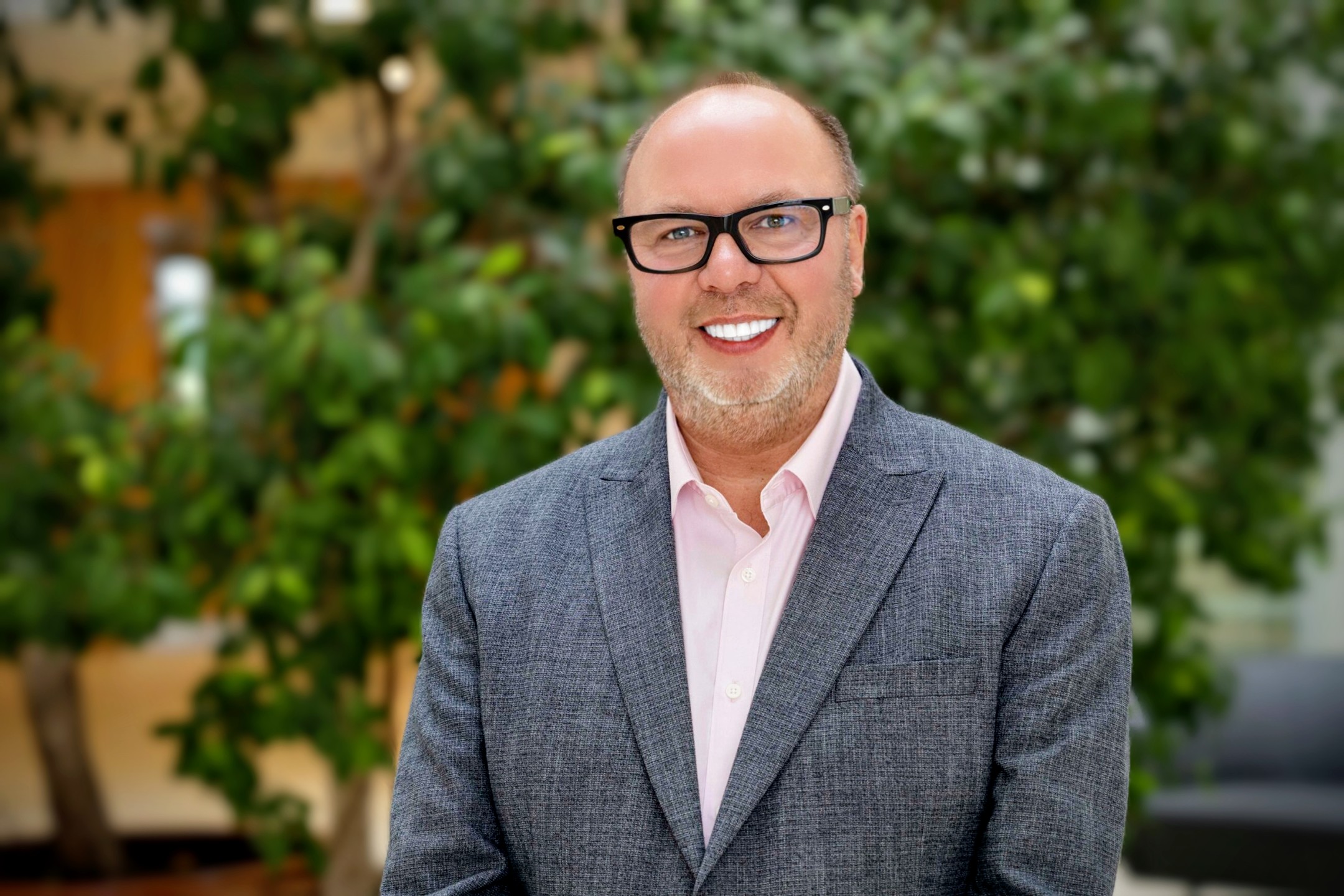
Charmain Bogue on Why Understanding People Still Matters in Organizational Leadership



How a foundation in psychology and education shapes one strategist’s approach to planning, mentoring, and accountability in Washington, D.C.
Washington, D.C, District of Columbia Jun 16, 2026 (EMWNews.com) – In a field where strategic plans are often judged by the polish of the document rather than the behavior that follows, the professionals who actually change organizations tend to be the ones who understand why teams resist change in the first place. Strategy, practiced well, is a human discipline before it is a technical one.
Charmain Bogue, a strategic planning and organizational development professional based in Washington, D.C., has built a career on that premise. Her work spans senior leadership in the federal government, independent executive coaching and advisory engagements, and a current role in strategic planning for a public sector research organization, where she focuses on aligning technology, workforce priorities, and organizational goals.
A Path That Did Not Follow a Straight Line
Bogue began her career in psychology before moving into education and workforce development. She holds an undergraduate degree in psychology and a graduate degree in education, both earned with distinction, and she credits that combination with shaping everything that came after. The psychology training taught her to read rooms, recognize resistance, and look underneath the surface complaint. The education training added a framework for how people absorb information and build new habits.
“Psychology sounds like a detour on my resume,” Bogue says. “It was the foundation.”
On paper, the degree can look disconnected from spreadsheets and organizational charts. In practice, she explains, it is the lens she brings to every planning meeting, every coaching session, and every program review.
Her path led to senior leadership roles in the federal government, where she managed large teams and complex programs built to serve communities at scale. From 2022 to 2025 she worked independently as a strategic advisor and executive coach, partnering with executives and boards on education, workforce, and leadership initiatives, before returning to public sector strategy in her current planning role.
A Philosophy Centered on Alignment
Across every setting, Bogue’s operating principle has stayed the same: help organizations align what they say with what they do. The phrase sounds simple. The work is not. It requires structured planning, honest measurement, and a willingness to examine why the last initiative failed before launching the next one.
“Effective organizations are built through clear communication, structured planning, and accountability,” Bogue says.
That belief shapes her advisory work and her mentoring alike. A plan that no one revisits, she explains, is an artifact, not a strategy, and an organization that cannot describe the gap between its stated goals and its daily operations has not yet started the real work.
Most organizations, in Bogue’s observation, do not actually want feedback. They want validation. They run listening sessions and town halls, and then nothing changes, and employees learn that speaking up is a performance rather than a conversation. The organizations that improve, she has found, are the ones where leaders are willing to be uncomfortable for months while they do the slow, unglamorous work of closing the gap between what they say and what they do.
People Problems Disguised as Policy Problems
Bogue’s time in government sharpened that view. Programs serving hundreds of thousands of people taught her that the system behind a service matters as much as the service itself, and that the hardest problems rarely live in the budget line.
“The most complex problems I encountered in government were never really about policy or budgets,” she says. “They were about people.”
People who felt unheard. People protecting territory. People who had watched a previous initiative fail and saw no reason to trust the next one. Reading those dynamics, Bogue believes, is the difference between a plan that gets executed and a plan that gets filed.
Coaching Leaders Behind Closed Doors
Her executive coaching work gave her a different vantage point on leadership. The higher a person climbs, she has found, the fewer people will tell them the truth. Teams hesitate to push back. Boards want results. The leader is left making consequential decisions with no one to think out loud with.
“Executives rarely need someone to tell them the right decision,” Bogue says. “They need help understanding why they keep avoiding it.”
Her engagements paired behavioral insight with operational structure: defined goals, check-ins at thirty, sixty, and ninety days, and honest conversations about whether behavior actually changed. Her Lean Six Sigma Black Belt and project management credentials anchor the process side of that work.
Some of her most meaningful coaching, Bogue notes, involved leaders in transition, out of government, out of corporate roles, into something new. When a title has carried a person’s identity for a long stretch of a career, losing it can feel like losing a limb. Helping accomplished people reintroduce themselves without the old role attached, she says, is some of the most human work strategy ever asks of anyone.
Mentoring as Structured Work
Outside her primary role, Bogue mentors women returning to the workforce after career breaks, serves as a mentor and judge for early-stage startups and social enterprises through accelerator programs, and supports Hofstra University’s Women in Leadership initiative in Health Professions and Human Services.
Her mentoring emphasizes structure, accountability, and honest feedback. Mentees define what should be different in six months, track progress at regular intervals, and answer for the moves they said they would make. Encouragement matters, she believes, but encouragement without a plan rarely changes a career.
Looking Ahead
From her base in Washington, D.C., Bogue plans to keep doing the work that has defined her path: helping organizations align what they say with what they do, coaching leaders through the decisions they avoid, and mentoring women whose careers, like hers, refuse to follow a template.
“Careers do not have to follow a straight line. Mine never did,” Bogue says. “What matters is the alignment, making sure what I say and what I do line up. That is the standard I hold organizations to, and it is the one I hold myself to.”
About Charmain Bogue
Charmain Bogue is a strategic planning and organizational development professional whose career has centered on education, workforce development, and public sector operations. She has held senior leadership roles in the federal government, worked independently as an executive coach and strategic advisor, and currently works in strategic planning for a public sector research organization in Washington, D.C.
She holds graduate and undergraduate degrees in education and psychology, earned with distinction, along with a Lean Six Sigma Black Belt and project management credentials, and she has completed executive leadership programs at nationally recognized universities. Her mentoring and advisory work includes supporting women returning to the workforce, advising early-stage startups and social enterprises, and supporting women pursuing leadership in health professions.
Source :Charmain Bogue
This article was originally published by EMWNews. Read the original article here.
FREE Money In 2024 The Average Family Will Receive $22,967 On Gov’t Grants If They Apply.
There’s nothing complicated about it, Get Your FREE Money!
NO CREDIT Check – Bankruptcy OK – Apply Online
https://GrantsAvailable.com
[youtube https://www.youtube.com/watch?v=a0g8UEDB47Y?si=cKR-DuN-n7I_rB4d&w=560&h=315]